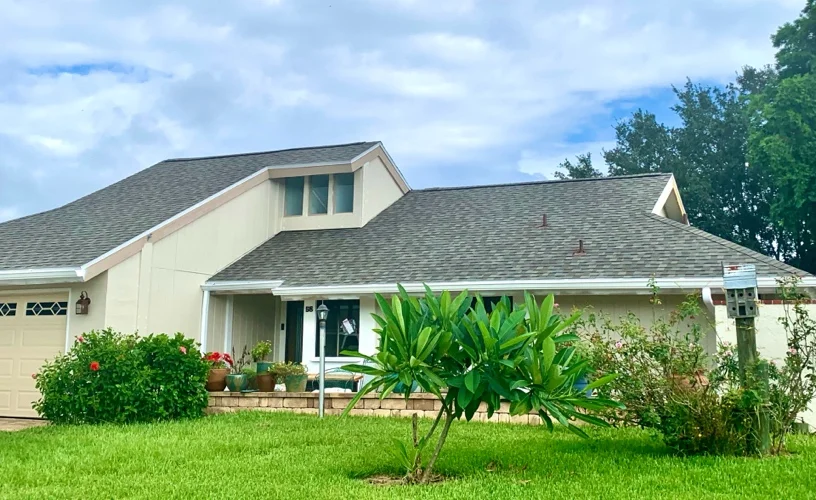
Your roof works hard every day to protect your home from rain, wind, heat, debris, and changing weather conditions. Yet many homeowners overlook regular roof care until leaks or visible damage appear. The truth is, consistent maintenance can significantly extend the life of your roofing system and help prevent expensive repairs.
Following a proper roof maintenance checklist allows homeowners to identify small concerns before they become major structural issues. From cleaning gutters and inspecting shingles to spotting leaks early, a proactive maintenance routine can improve roof performance and preserve your investment for years.
Whether you have a newly installed roof or an aging system, this guide covers essential residential roof maintenance steps and practical roof maintenance tips to help keep your roof in excellent condition year-round.
Why Roof Maintenance Matters
Your roof experiences constant exposure to harsh weather and environmental stress. Over time, sun exposure, heavy rain, snow, wind, and falling debris can weaken roofing materials and create vulnerabilities.
Routine maintenance helps:
- Extend roof lifespan
- Prevent leaks and water damage
- Reduce costly repairs
- Improve energy efficiency
- Protect attic insulation
- Maintain curb appeal and home value
Ignoring small roofing problems often leads to bigger expenses later. A missing shingle or clogged gutter may seem minor but can eventually result in moisture intrusion or structural damage.
Understanding how to maintain a roof helps homeowners avoid preventable roofing issues.
Start With Routine Roof Inspections
One of the most important parts of any roof maintenance checklist is scheduling regular inspections.
Homeowners should inspect their roof at least twice per year, ideally during spring and fall. Seasonal inspections help identify weather-related damage before temperatures shift again.
You should also inspect your roof after:
- Severe storms
- Heavy winds
- Hail events
- Falling tree branches
- Long periods of heavy rain
During inspections, look for visible warning signs such as:
- Missing shingles
- Curling or cracked shingles
- Loose flashing
- Sagging areas
- Moss or algae growth
- Water stains near roof penetrations
Regular inspections are a key part of effective residential roof maintenance because they help detect damage early.
Clean Gutters and Downspouts
Clogged gutters are one of the most common causes of roof damage.
Leaves, sticks, dirt, and debris can block water flow, causing moisture to back up beneath roofing materials. Over time, standing water may lead to wood rot, mold growth, fascia damage, or leaks.
As part of your roof maintenance checklist, clean gutters at least twice a year or more frequently if nearby trees shed heavily.
When cleaning gutters:
- Remove leaves and debris
- Flush downspouts with water
- Check for loose fasteners
- Inspect for sagging sections
- Confirm water drains away from the foundation
Keeping gutters clear supports proper drainage and helps reduce unnecessary roof stress.
Check for Damaged or Missing Shingles
Shingles play an important role in protecting your home from moisture and weather exposure.
Damaged shingles can allow water to penetrate beneath the roof surface, eventually causing leaks and structural concerns.
During roof inspections, look for:
- Missing shingles
- Cracked or broken shingles
- Curled edges
- Bald spots where granules are missing
- Loose or lifted shingles
Even one damaged shingle can create vulnerabilities, especially during storms.
Addressing minor problems early is one of the smartest roofing tips homeowners can follow.
Inspect Flashing and Roof Penetrations
Flashing seals vulnerable areas around roof penetrations and joints.
Common flashing locations include:
- Chimneys
- Skylights
- Roof vents
- Plumbing pipes
- Valleys where roof slopes meet
Over time, flashing can loosen, rust, crack, or separate from roofing materials.
Inspect these areas for:
- Gaps or lifting
- Corrosion
- Missing sealant
- Signs of water intrusion
Compromised flashing is a common source of leaks and should be repaired promptly.
Trim Overhanging Tree Branches
Trees add beauty and shade to a property, but branches hanging too close to the roof can cause damage.
Overhanging limbs may:
- Scratch roofing materials
- Drop debris onto the roof
- Encourage moss growth from shade
- Break during storms and damage shingles
Trim branches back to create safe clearance between trees and your roof.
This simple step can help reduce wear and improve airflow around roofing materials.
Watch for Signs of Roof Leaks
Leaks often start small and go unnoticed until damage becomes more severe.
Some signs of hidden roof leaks include:
- Water stains on ceilings
- Damp attic insulation
- Mold or mildew smells
- Peeling paint near ceilings
- Dripping water during storms
Checking attic spaces periodically can help identify moisture issues before they spread.
If you notice signs of a leak, quick repairs can prevent larger structural damage.
Learning how to maintain a roof means staying alert to subtle warning signs inside the home as well as outside.
Remove Roof Debris
Leaves, branches, dirt, and organic debris can trap moisture against roofing materials.
Debris buildup increases the risk of:
- Mold growth
- Algae development
- Water retention
- Premature material deterioration
Gently remove debris using a soft broom or leaf blower when needed.
Avoid pressure washing, as high-pressure water can damage shingles and shorten roof lifespan.
Maintaining a clean roof surface supports better drainage and reduces unnecessary wear.
Check Attic Ventilation and Insulation
Many homeowners overlook attic conditions during residential roof maintenance, but ventilation plays a major role in roof performance.
Poor ventilation can cause:
- Excess heat buildup
- Moisture accumulation
- Mold growth
- Ice dams in colder climates
- Premature roofing deterioration
Look for signs of poor airflow, such as:
- Excess attic heat
- Condensation buildup
- Damp insulation
Balanced attic ventilation helps regulate temperature and protects roofing materials from unnecessary stress.
Seasonal Roof Maintenance Tips
Different seasons create unique roofing challenges.
1. Spring Maintenance
Spring is ideal for checking winter-related damage.
Inspect for:
- Missing shingles
- Storm damage
- Gutter blockages
- Moisture issues
2. Summer Maintenance
Summer heat can accelerate roof aging.
Watch for:
- Cracked shingles
- Heat-related expansion damage
- UV wear
3. Fall Maintenance
Fall preparation helps protect roofs during winter weather.
Focus on:
- Cleaning gutters
- Trimming branches
- Removing debris
4. Winter Maintenance
Winter weather increases the risk of moisture-related damage.
Monitor for:
- Ice dams
- Heavy snow buildup
- Interior leaks
Seasonal care is one of the most practical roof maintenance tips for long-term protection.
When to Schedule Professional Roof Maintenance
While homeowners can handle many routine tasks, professional roof inspections provide deeper insight into hidden issues.
Professional roofing contractors can identify:
- Structural weaknesses
- Hidden moisture damage
- Flashing failures
- Ventilation concerns
- Early material deterioration
Annual professional inspections are especially important for roofs older than 10 years.
A roofing expert may spot problems homeowners overlook.
Final Thoughts
A consistent roof maintenance checklist is one of the best ways to protect your home and maximize roof lifespan. Regular inspections, gutter cleaning, shingle checks, leak detection, and seasonal maintenance all help reduce the risk of expensive repairs.
Understanding how to maintain a roof does not require complicated tools or extensive roofing experience. Small maintenance steps performed consistently can make a major difference over time.
Whether you are caring for a newer system or managing an aging roof, proactive residential roof maintenance helps improve performance, extend durability, and protect your home throughout every season.